I have actually avoided it lots of times, and my number has yet to come up. If it ends up that I require to cancel or disrupt, I'll just need to take my monetary lumps I played the chances and lost. However in some cases it's most likely a great concept to get this coverage for example, if you're paying a lot of up-front money for an organized tour or short-term accommodation leasing (both of which are pricey to cancel), if you or your travel partner have questionable health, or if you have a loved one in the house in bad health. A basic trip-cancellation or disruption insurance policy covers the nonrefundable financial penalties or losses you sustain when you cancel a prepaid tour or flight for an appropriate factor, such as: You, your travel partner, or a member of the family can not travel since of illness, death, or layoff, Your trip business or airline company goes out of company or can't perform as promised A member of the family at house gets sick (inspect the fine print to see how a member of the family's pre-existing condition may affect coverage) You miss a flight or need an emergency situation flight for a reason outside your control (such as an automobile accident, harsh weather condition, or a strike) So, if you or your travel partner accidentally breaks a leg a few days before your journey, you can both bail out (if you both have this insurance) without losing all the cash you paid for the trip.
This kind of insurance coverage can be used whether you're on an arranged tour or cruise, or traveling independently (in which case, only the pre-paid costs such as your flight and any nonrefundable hotel reservations are covered). Note the distinction: Journey cancellation is when you don't go on your trip at all. Journey interruption is when you begin a journey however have to suffice short; in this case, you'll be repaid just for the part of the journey that you didn't total. If you're taking a trip, it may already come with some cancellation insurance coverage ask - What is insurance. Some insurers will not cover certain airline companies or trip operators.
Ensure your provider is covered. Purchase your insurance coverage within a week of the date you make the first payment on your trip. Policies purchased later than a designated cutoff date generally 7 to 21 days, as identified by the insurance provider are less likely to cover tour company or air provider personal bankruptcies, pre-existing medical conditions (yours or those of household members at home), or terrorist events. Mental-health concerns are generally not covered. Jittery travelers are complaining about 2 big unknowns: terrorist attacks and natural disasters. Ask your company for details. A terrorist attack or natural catastrophe in your hometown might or might not be covered.
Even then, if your tour operator provides an alternative travel plan, your protection might end up being space. As for natural catastrophes, you're covered only if your destination is uninhabitable (for example, your hotel is flooded or the airport is gone). War or break outs of illness generally aren't covered. With travel turned upside down by the coronavirus pandemic, it's more crucial than ever to understand what travel insurance covers and what it doesn't. While most basic policies provide coverage for flight cancellations and journey interruptions due to unexpected events, the majority of COVID-19related problems are left out from coverage, consisting of: Fear of travel: If you decide not to travel out of fear of contracting COVID-19, your insurance coverage will not cover you.
The 2-Minute Rule for What Is An Insurance Binder
Extra COVID-19 outbreaks: If the area you're preparing to visit experiences new shutdowns after you have actually booked the trip, don't want to your travel insurance coverage for coverage. Breaking federal government travel cautions: If you do have protection, your policy might be voided if you travel somewhere that your federal government has considered unsafe, or if your federal government has limited global travel. You might be able to prevent the concern of what is and what isn't covered by purchasing a costly "cancel for any factor" policy (explained listed below). Health emergencies are the primary cause for trip cancellations and disruptions, and they can include high medical expenses along with extended lodging expenses for travel partners.
While many US insurers cover you overseas, Medicare does not. Also, make certain you're conscious of any policy exemptions such as preauthorization requirements. Even if your health insurance does cover you globally, you may wish to think about purchasing a special medical travel policy. Much of the additional protection available is extra (or "secondary"), so it covers whatever expenditures your health strategy doesn't, such as deductibles. But you can likewise buy main coverage, which will take care of your costs approximately a specific quantity. In emergency circumstances including costly procedures or over night stays, the medical facility will generally work directly with your travel-insurance carrier on billing (but not with your regular medical insurance business; you'll likely have to pay up front to the healthcare facility or center, then get repaid by your stateside insurance provider later).
Whatever the situations, it's smart to call your insurance company from the roadway to let them understand that you have actually sought medical aid. Numerous pre-existing conditions are covered by medical and trip-cancellation protection, depending upon when you buy the coverage and how just recently you've been treated for the condition. If you travel often to Europe, multi-trip annual policies can save you cash. Check with your agent or insurance provider prior to you commit. The United States State Department regularly issues warnings about taking a trip to at-risk countries. If you're visiting one of these countries, your cancellation and medical insurance will likely not be honored, unless you buy extra protection.
Compare the cost of a stand-alone travel medical plan with detailed insurance coverage, which comes with great medical and evacuation coverage. A travel-insurance business can help you figure out the alternatives. Certain Medigap strategies cover some emergency situation care outside the US; call the company of your extra policy for the details. Theft is specifically worrisome when you consider the dollar value of the items we load along. Laptop computers, tablets, video cameras, mobile phones, and e-book readers are all expensive to change. One method to secure your financial investment is to purchase travel insurance coverage from a specialized business such as Travel Guard, which uses a range of options that include coverage for theft.

The 9-Second Trick For How Much Is Health Insurance A Month
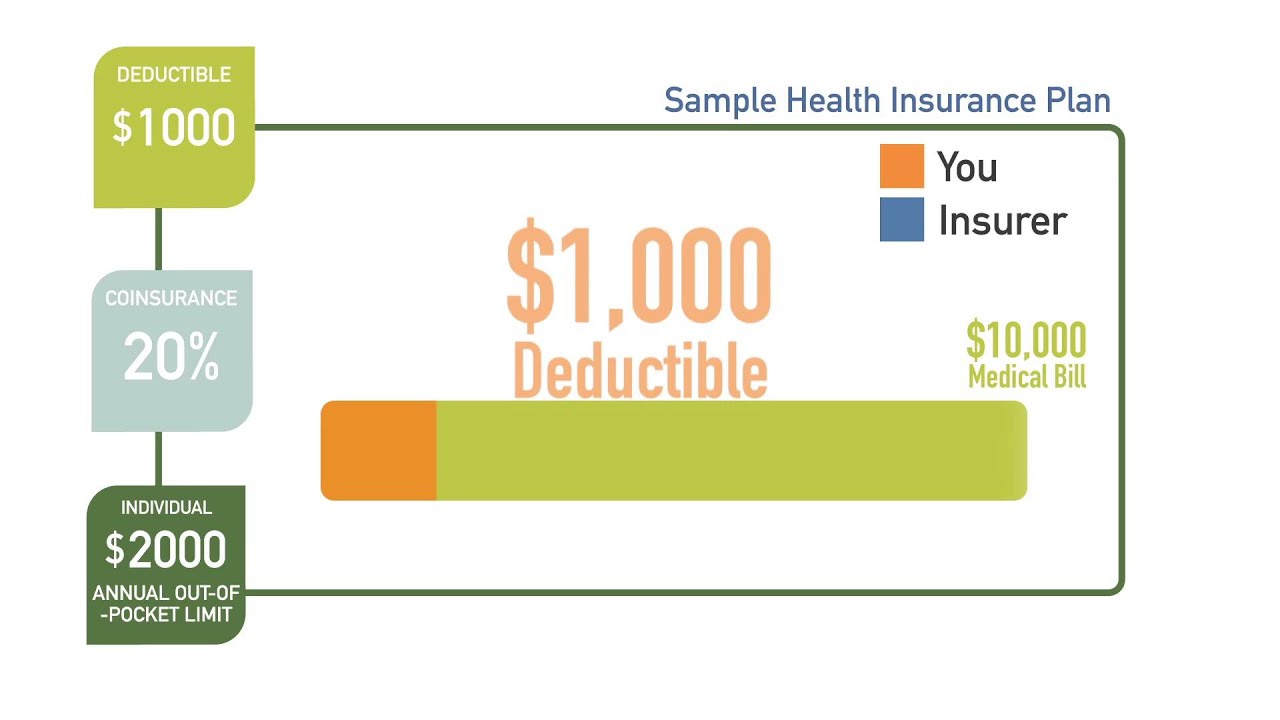
It's also wise to contact your homeowners or tenants insurer. Under many policies, your personal effects is already safeguarded versus theft anywhere in the world however your insurance coverage deductible still uses. If you have a $1,000 deductible and your $700 tablet is stolen, you'll have to pay to change it. Instead of purchasing separate insurance, it may make more sense to include a rider to your existing policy to cover expensive items while you travel. Before you leave, it's a great idea to take a stock of all the high-value products you're bringing. Make a list of serial numbers, makes, and models of your electronics, and take pictures that can act as records.